
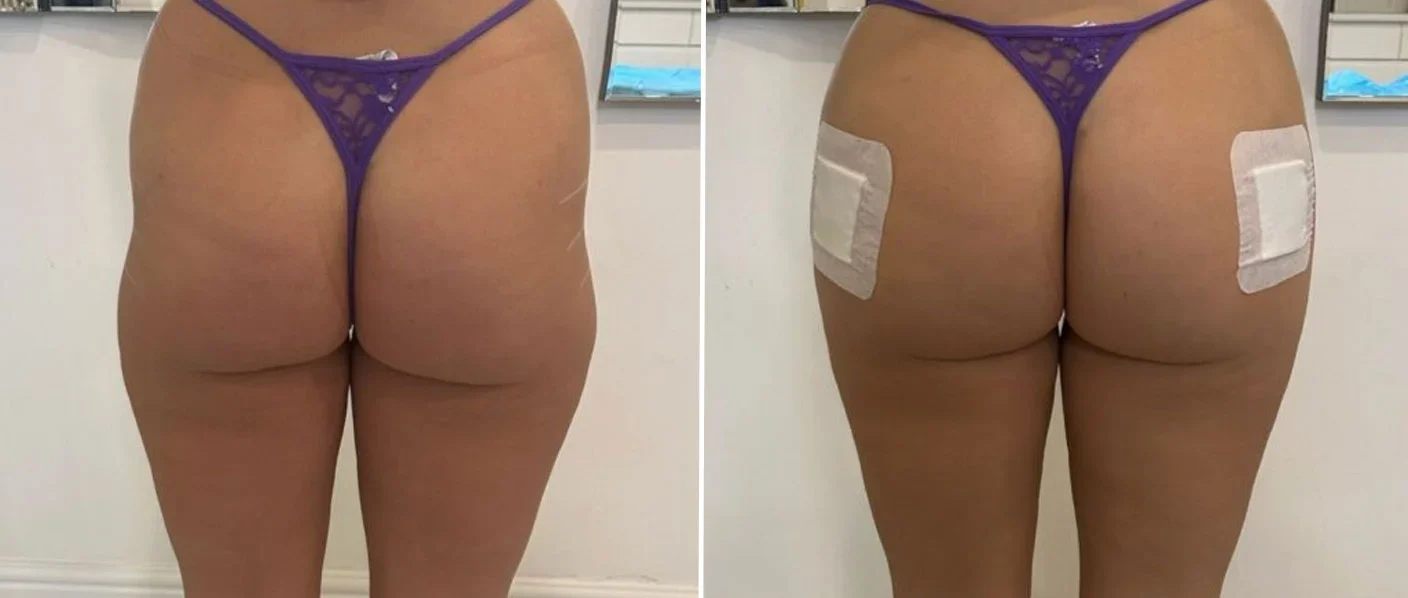
People usually wonder about butt filler downtime the moment they start considering this treatment because everyday routines often depend on comfort, mobility, and confidence. You might relate to this if you have ever tried planning a busy week around a cosmetic appointment and wondered how long you would need before returning to normal movement. According to our editor’s research, most questions arise from simple concerns like sitting, walking, and feeling comfortable at work. These thoughts make the topic both personal and practical because more people rely on fillers today for shape enhancement and volume improvement. Understanding downtime helps you feel prepared and more relaxed during the decision process.
Why does downtime differ between individuals?
Downtime after a butt filler treatment varies because everyone’s body responds differently. According to our editor’s reviews, lifestyle habits play a meaningful role. Tissue structure, hydration levels, and circulation all influence early reactions. People with active routines may feel changes more noticeably. Others describe minimal disruption. These natural differences shape the overall downtime experience.
What happens during the first hours after treatment?
The first hours often bring noticeable fullness or gentle pressure around the treated area. According to our editor’s research, this reaction reflects the filler settling within the tissue layers. People sometimes describe a warm sensation or slight tightness. These early signs usually feel manageable. Resting comfortably supports smoother adjustment. Tissues begin adapting immediately.
How does swelling influence downtime?
Swelling occurs as a natural response to injected volume. According to our editor’s reviews, swelling appears mild for most individuals. It may last for several days depending on tissue sensitivity. People often describe it as a temporary feeling of heaviness. Swelling gradually fades as fillers integrate. This process shapes the early downtime experience.
Why do some people feel mild soreness?
Soreness appears when tissue adjusts to added volume. According to our editor’s research, this soreness resembles the feeling after a long workout. Most individuals find it manageable without additional help. Gentle movement supports circulation. Soft soreness usually fades steadily. The sensation rarely interferes with daily tasks.
What movement limitations occur during downtime?
Movement limitations remain mild for most individuals. According to our editor’s reviews, walking feels comfortable within hours. Sitting may feel slightly different during the first days. People often shift weight to reduce pressure temporarily. Gentle movement helps maintain comfort. Most activities return quickly to normal.
How soon can you sit comfortably?
Sitting becomes comfortable once swelling reduces. According to our editor’s research, many individuals sit normally after a short period. Others adjust posture briefly for comfort. Cushions sometimes help during early days. People describe feeling more relaxed as filler settles. Sitting usually becomes natural again soon.
Why does filler integration affect downtime?
Filler integration shapes how the tissue adapts to new volume. According to our editor’s reviews, integration begins immediately. The filler moves into a stable position gradually. People feel increasing comfort as this process continues. Integration reduces unusual sensations. This supports smooth recovery.
How long does early downtime usually last?
Early downtime typically lasts a few days depending on the individual. According to our editor’s research, swelling remains the main factor. People often experience softening and comfort quickly. Daily activities resume almost immediately. Early downtime feels lighter than expected. Comfort improves steadily each day.
Why do some people report almost no downtime?
Some individuals report minimal downtime because their tissue adapts quickly. According to our editor’s reviews, strong hydration supports faster comfort. Balanced muscle tension also helps smooth the experience. People with calm recovery patterns describe very subtle changes. Their routines continue uninterrupted. Minimal downtime becomes a common experience.
What about returning to work?
Most people return to work soon after treatment. According to our editor’s research, sitting-based jobs may require minor adjustments. Standing-based jobs usually feel easier immediately. People appreciate that recovery fits into busy schedules. Work routines rarely require significant changes. Comfort grows progressively.
How do clothing choices influence downtime?
Clothing affects how comfortable you feel during early recovery. According to our editor’s observations, soft and loose fabrics support easier movement. Tight clothing may press against the area temporarily. Gentle fabrics reduce friction. People often prefer relaxed outfits early on. Clothing comfort contributes to smooth downtime.
Does exercise affect recovery time?
Exercise influences downtime because movement affects tissue adaptation. According to our editor’s research, heavy workouts may increase swelling initially. People often pause intense routines briefly. Light walking supports healthy circulation. Returning to full workouts requires short patience. Exercise gradually becomes comfortable again.
Why do results feel different during downtime?
Results feel different during downtime because swelling temporarily alters appearance. According to our editor’s reviews, early fullness sometimes looks larger than expected. This effect fades naturally. People enjoy refined results once swelling resolves. Appearance stabilizes as filler integrates. Downtime influences early impressions.
How does sleep position affect comfort?
Sleep position affects comfort by changing pressure around the buttocks. According to our editor’s research, some individuals prefer side sleeping. Back sleeping may feel manageable after early swelling fades. People experiment until they find comfortable positions. Soft bedding supports the experience. Sleep comfort improves quickly.
What should you expect during the first week?
The first week brings steady adjustment and gradual comfort. According to our editor’s reviews, most individuals feel significantly better by midweek. Swelling decreases steadily. Natural softness returns. Movement feels easier each day. Early sensations fade naturally.
Why does hydration support smoother downtime?
Hydration helps your tissue respond more efficiently to filler integration. According to our editor’s research, hydrated tissue adjusts with less stiffness. People report feeling more comfortable when hydrated well. Water supports healthy circulation. Hydration promotes balanced recovery. This contributes to smoother downtime.
How do follow-up appointments support comfort?
Follow-up appointments ensure safe and steady progress. According to our editor’s reviews, professionals monitor swelling and filler placement. These visits help confirm healthy integration. People feel reassured by expert evaluation. Adjustments rarely become necessary. Follow-ups maintain confidence.
What emotional reactions occur during downtime?
Emotional reactions vary widely during early recovery. According to our editor’s research, many people feel excitement mixed with curiosity. Some feel uncertain if swelling appears unusual. These emotions remain common and normal. Emotional balance returns as swelling fades. Confidence increases with visible results.
Why do people compare recovery to exercise soreness?
People compare recovery to exercise soreness because the sensations feel similar. According to our editor’s reviews, the body interprets filler placement like focused tissue pressure. The feeling remains mild and manageable. Soreness fades consistently. This comparison helps people understand expectations.
How soon do results become visible?
Results appear early but refine gradually. According to our editor’s research, noticeable shape changes develop within days. Swelling softens and reveals clearer contours. People see progress continuously. Full results appear once integration completes. This natural timeline supports realistic expectations.
What supports confidence during downtime?
Confidence grows when expectations align with normal recovery steps. According to our editor’s reviews, people appreciate knowing what sensations feel typical. Calm awareness reduces stress. Support from practitioners increases reassurance. Natural changes become easier to follow. Confidence strengthens with clarity.
Why does downtime feel shorter than expected?
Downtime feels shorter than expected because discomfort remains minimal. According to our editor’s research, recovery rarely disrupts daily routines. People enjoy returning to normal activities quickly. The treatment fits easily into modern schedules. Short downtime becomes a major advantage. This efficiency attracts many individuals.